


Odbiór


Powrót
Użyj kodu WELCOME3 podczas płatności, aby otrzymać zniżkę na pierwszą rezerwację u nas. Enjoy!☀️

Wynajem samochodów w Turcji otwiera kraj inaczej niż hotelowy autobus czy zorganizowana wycieczka. Odległości są spore, sieć dróg solidna, a większość tego, dla czego się tu lata — od riwiery licyjskiej po Kapadocję — leży zaledwie kilka godzin od lotniska.
Dla większości polskich gości auto staje się częścią wakacji, a nie kłopotem. Trzy lub cztery dni z all-inclusive na wypad do Pamukkale albo Wąwozu Saklıkent; dwa tygodnie wzdłuż wybrzeża między Antalyą a Kaş; szybki przejazd z miasta do miasta poza sezonem, kiedy ceny spadają.
Większość gości spodziewa się przy odbiorze małego dramatu — papierów, kolejek, ukrytych opłat. U nas jest dokładnie odwrotnie. Voucher, kluczyki, wideo z oględzin i już jesteście na drodze.
Płatności są proste. Visa, Mastercard, Maestro i karty zbliżeniowe są akceptowane wszędzie; karta kredytowa jest wymagana tylko u sieci międzynarodowych, a lokalni dostawcy biorą kaucję gotówką w EUR, USD lub lirach tureckich. Większość gości wpłaca online 15–20% zaliczki na potwierdzenie rezerwacji, a resztę reguluje przy odbiorze.
Najczęstsze pytanie, jakie dostajemy, to czy do wynajęcia samochodu w Turcji naprawdę potrzebna jest karta kredytowa. U nas nie: karta debetowa albo gotówka wystarczy w niemal każdej lokalnej wypożyczalni.
Flota startuje od Fiata Egea — najpopularniejszego samochodu wypożyczanego w Turcji — i sięga aż po ośmioosobowe minivany dla rodzin. Większość aut to roczniki 2020 i nowsze.
Co potrzebne do wynajmu
Lista jest krótka: paszport ze stemplem wjazdu i ważne prawo jazdy. Polskie i unijne kategorii B są akceptowane bez żadnego dodatkowego dokumentu — polski plastik z fotografią działa w Turcji tak samo, jak w Hiszpanii czy Grecji. Międzynarodowe Prawo Jazdy jest wymagane wyłącznie przy prawach jazdy w alfabetach innych niż łaciński.
Polski plastikowy dokument z PWPW wystarczy w każdej wypożyczalni i przy każdej kontroli drogowej. Inaczej niż w wyjazdach do USA czy Japonii, gdzie MPJ warto mieć na wszelki wypadek.
Minimalny wiek to 21 lat z minimum dwuletnim stażem. Auta premium, SUV-y i minivany dostępne są zwykle od 25 lat. Kierowcy przed 25. urodzinami płacą dopłatę „młody kierowca" — około 10 USD dziennie u większości lokalnych dostawców.
Płatności są przyjazne polskim podróżnikom. Visa, Mastercard, Maestro i Apple/Google Pay działają przy zaliczce online — karty PKO BP, mBank, ING, Santander, Pekao i Millennium pracują normalnie. BLIK nie działa w Turcji, to częsty błąd. Lokalni dostawcy biorą gotówkę w EUR, USD lub lirach; sieci międzynarodowe wymagają karty kredytowej w imieniu głównego kierowcy.
Para z Warszawy odbierała w sierpniu Egeę na AYT z kartą debetową ING i trzystoma euro w gotówce. Pokryło kaucję, tankowanie i kawę przed lotem powrotnym.
Przed wyjazdem z parkingu porównaj samochód z voucherem: model, rocznik, skrzynia biegów, rodzaj paliwa. Ciche zamiany „na ten sam segment" zdarzają się w wysokim sezonie.
Większość turystów w Turcji rozpoczyna swoją podróż tutaj
Ile kosztuje wynajem
Cena trzyma się sezonu. Poza sezonem Fiat Egea — najpopularniejszy w Turcji samochód z wypożyczalni — startuje od 8–10 USD dziennie za manual i 12–15 USD za automat. Klasa średnia, jak Renault Megane czy Hyundai i30, mieści się w 12–20 USD. Rodzinny minivan — 60–80 USD.
W szczycie (czerwiec–wrzesień) ceny rosną około trzykrotnie: Egea od 35 USD, klasa średnia 45–55, minivan 120–180. Na wybrzeżu w lipcu i sierpniu lepsze auta znikają na dwa–trzy tygodnie do przodu — wynajem w Bodrum czy Antalyi warto rezerwować z wyprzedzeniem, zwłaszcza przy czarterowym wylocie w sezonie.
Sierpień w Antalyi jest wyprzedany na miesiąc wcześniej. Jeśli lecicie w pełni sezonu, nie czekajcie do lądowania — zostaną resztki i to za gorszą cenę.
Poza stawką dzienną voucher zwykle obejmuje: OC (obowiązkowe w Turcji ubezpieczenie odpowiedzialności), podstawowe AC (CDW), opłatę lotniskową, opcjonalne Super CDW (Full Coverage), dopłatę za młodego kierowcę i ewentualną opłatę za zwrot w innym mieście. Opłaty drogowe i mandaty rozliczane są po zwrocie samochodu, z niewielką prowizją wypożyczalni.
Cena na voucherze to cena, którą płacicie. Czego nie ma w rozpisce, nie pojawi się też na rachunku końcowym.
Kaucja gotówkowa zależy od klasy: około 100 USD za segment ekonomiczny, 200–300 USD za średni i do 500 USD za minivan. Część dostawców oferuje taryfy zero-deposit — przy wykupieniu Full Coverage kaucja w ogóle nie jest blokowana.

Hyundai i20 w Turcji
Świetny samochód, świetna obsługa. Odebrali nas z lotniska, a my zwróciliśmy samochód pod adresem, pod którym było to dla nas wykonalne, bez żadnych dodatkowych opłat. Samochód (Hyundai i20) był świeży w bardzo dobrym stanie, z carplay / Android auto i ładowarkami USB i typu c, więc bardzo łatwo było go używać z mapami. 100% polecam
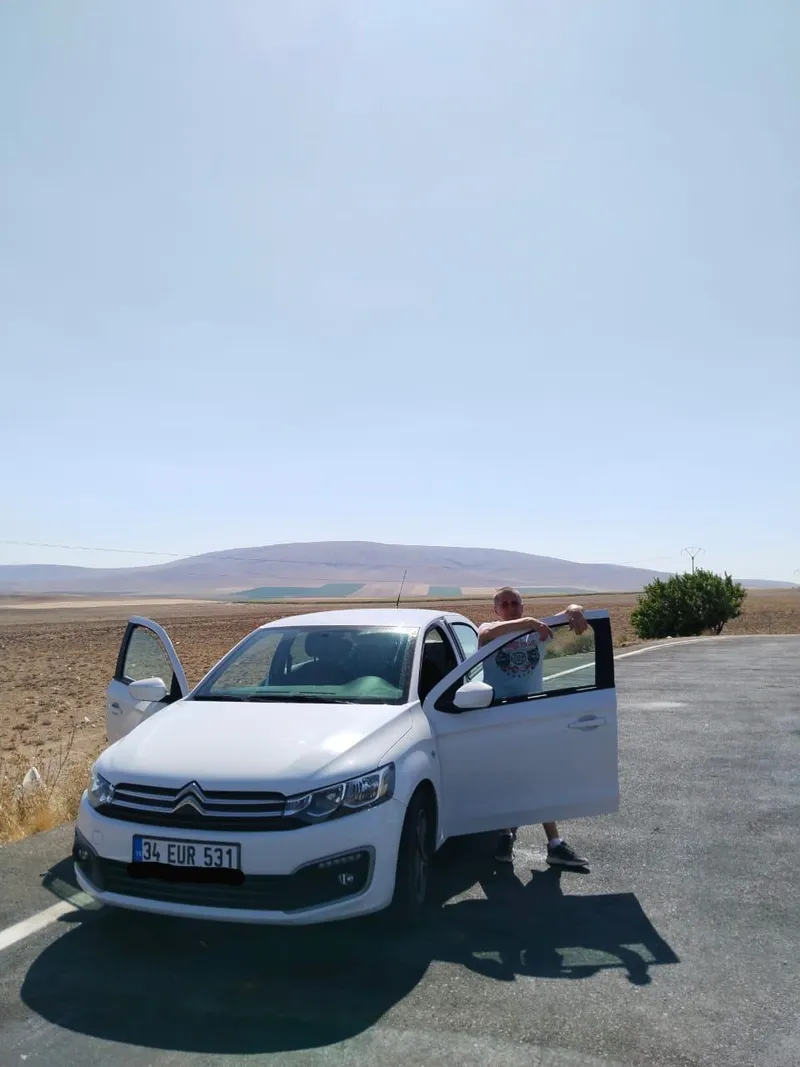
Citroen C-Elysee w Turcji
Wszystko jest w porządku 👍
Fiat Fiorino w Turcji
Wszystko było w porządku, ale zażądali zapłaty tylko gotówką. Nie zostałem o tym uprzedzony i nie byłem przygotowany na płatność gotówką. To spowodowało pewne problemy. O takich rzeczach powinno się mówić z wyprzedzeniem. Po długiej rozmowie zaproponowali płatność kartą, ale plus 20 procent czynszu. Ten moment nie jest przyjemny. Poza tym wszystko jest w porządku.

Fiat Egea Urban w Turcji
Wszystko jest w porządku, samochód nie był Fiatem, ale Hyundai, ale wszystko poszło dobrze i łatwo! Dziękuję!
Fiat Egea Multijet w Turcji
Wszystko jest w porządku! Zmieniliśmy samochód na wyższą klasę za darmo. Żadnych problemów. Świetne podejście, wszystko na czas. Polecam.
Dacia Duster w Turcji
Wszystko było w porządku
Fiat Egea w Turcji
Wszystko poszło dobrze.

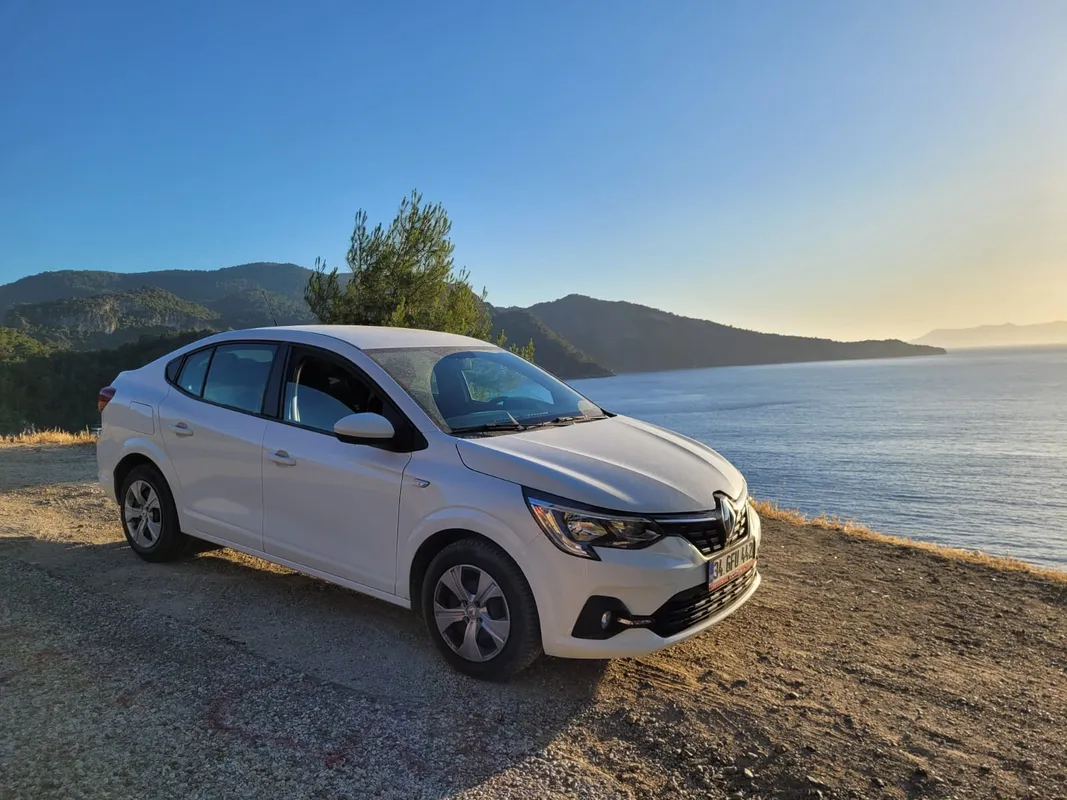
Fiat Egea Urban w Turcji
Samochód nie był Fiatem, ale Renault Taliant, ale to w ogóle mi nie przeszkadzało, mimo że był słabszy! Wszystko poszło dobrze, z wyjątkiem kilku rzeczy: powitalna impreza mówiła bardzo słabo po angielsku, więc zadawanie pytań było zbyt trudne. Naliczono więcej niż podano podczas rezerwacji... nie mógł wyjaśnić i dowiedzieć się, o co chodzi, ponownie z powodu faktu, że niewiele rozumiał. W przeciwnym razie wszystko było w porządku. Spotkaliśmy się na czas, pojechaliśmy i przywieźliśmy, samochód był czysty, nie zepsuty, świeży.


Ford Courier w Turcji
Wszystko poszło świetnie z wynajmem. Samochód otrzymaliśmy szybko. Samochód miał 21 lat zgodnie z umową. Otrzymaliśmy go również szybko. Dziękuję, na pewno się z wami skontaktuję.
Ford Courier w Turcji
Wszystko było w porządku z wyjątkiem jednej rzeczy. Z jakiegoś powodu w Turcji nie dbają o wybrane modele samochodów. Jeśli zarezerwowałem Forda z dieslem, dlaczego dostałem Fiata benzynowego 90 KM? Jest nas 5 osób, to nie wchodzi na горку🤦♂️.

Renault Clio 5 w Turcji
Wszystko poszło świetnie.

Fiat Egea w Turcji
Wszystko było w porządku. Było małe opóźnienie na lotnisku, kiedy próbowaliśmy znaleźć osobę, która miała się z nami spotkać i przywieźć do biura. Ale poza tym wszystkie inne procedury były dość szybkie. Panowie w biurze byli bardzo delikatni i dołożyli wszelkich starań, aby znaleźć dla nas fotelik, który pasuje do mojego dziecka. W końcu dostałem zupełnie nowy, ładny fotelik. Jakość samochodu była w porządku, nie mam żadnych skarg. Procedura zwrotu była również bardzo szybka i delikatna.

Fiat Egea Multijet w Turcji
Wszystko było świetnie, napisałem recenzję wcześniej. Dziękuję za wszystko. Za samochód, za zrozumienie, wszystko mi się podobało, już poleciłem cię moim znajomym.

-
Zweryfikowane opinie na każdym konkretnym aucie
Widzicie, jak ten Egea czy Duster faktycznie się sprawdził, a nie tylko średnią oceny dla dostawcy.
-
Cena na voucherze to cena końcowa
Wszystkie podatki, podstawowe ubezpieczenie i opłaty są wliczone, bez przeliczania przy kontuarze.
-
Darmowa anulacja do 7 dni przed odbiorem
Szczegóły uzgadniacie bezpośrednio z osobą, która odda Wam kluczyki.
Opłaty drogowe, mosty Bosforu i HGS
Od marca 2022 w Turcji działa jeden system opłat — HGS (Hızlı Geçiş Sistemi). Bramki zostały zlikwidowane, w punkcie poboru nie zapłacicie ani gotówką, ani kartą. Każdy wynajmowany samochód ma aktywną naklejkę HGS na szybie, a opłata schodzi automatycznie przy przejeździe pod portalem.
Pod portalem HGS nie trzeba zwalniać. Naklejka czyta i przy 30 km/h, i przy 110 — liczy się tylko to, by faktycznie była na szybie.
Mosty stambulskie
Bosfor ma własną logikę. Na trzech mostach wiszących — 15 Temmuz Şehitler, Fatih Sultan Mehmet i Yavuz Sultan Selim — opłata pobierana jest tylko w jedną stronę, Europa → Azja. Powrót jest darmowy. Most Osmangazi (autostrada Stambuł–Izmir) i tunel Eurasia są płatne w obie strony.
Wielu turystów przepłaca, bo planuje przejazd tam i z powrotem przez ten sam most. Jeśli przekraczacie Bosfor regularnie, organizujcie powrót przez 15 Temmuz — darmowy w tym kierunku.
Ile to kosztuje
Orientacyjne kwoty: tunel Eurasia ok. ₺225 w dzień, most Osmangazi ok. ₺795, Stambuł–Ankara ok. ₺150, Stambuł–Izmir ok. ₺500. Bezpłatne alternatywy istnieją niemal wszędzie, ale dokładają 30–90 minut do trasy.
HGS rozliczany jest po zwrocie samochodu. Niewielka prowizja administracyjna to standardowa praktyka — u nas wpisana w umowę od pierwszego dnia. Każde nasze auto ma aktywne HGS, ale przy odbiorze warto to potwierdzić.
Przepisy, mandaty i parkowanie
Limity prędkości są znajome: 50 km/h w mieście, 90 km/h poza miastem, 120 km/h na autostradzie. Na autostradzie obowiązuje też minimum 40 km/h. Fotoradary i odcinkowe pomiary są częste przy wjazdach do miast oraz na odcinkach płatnych.
Alkohol za kierownicą
Turcja ma nietypową regułę: 0,5‰ jeżeli kierowca jest w aucie sam, ale 0,0‰ od momentu, w którym wiezie kogokolwiek — dorosłego czy dziecko, bez różnicy. Większość turystów o tym nie wie. Mandat za pierwsze przekroczenie to około ₺6 400. Polskim kierowcom przyzwyczajonym do krajowej tolerancji 0,2‰ wystarczy zapamiętać, że z pasażerem obowiązuje zero.
Reguła brzmi dziwnie, dopóki nie usłyszycie logiki: jedziesz sam — twoja sprawa; wieziesz kogoś — odpowiadasz za niego. Powyżej 0,5‰ żadne ubezpieczenie i tak nie zadziała.
Dzieci i wyposażenie
Dzieci do 12 lat jeżdżą na tylnych fotelach; poniżej 135 cm wzrostu — w foteliku. Wypożyczalnie biorą 3–7 USD dziennie, najlepiej dodać fotelik już przy rezerwacji, w lecie się kończą. Antyradary i jammery są w Turcji nielegalne, w tym te wbudowane w nawigację.
Mandaty i parkowanie
Turcja nagradza szybkie płacenie: 25 % rabatu na miejscu, kolejne 25 % w ciągu 15 dni. Mandaty z fotoradaru przekazuje wypożyczalnia z prowizją 15–30 USD. W centrum Stambułu parkowanie jest płatne — korzystajcie z İSPARK lub parkingu hotelowego. W okolicach Marmaris i Fethiye, od strony Dalamanu, większość kurortów oferuje darmowy parking.
Parkowanie w centrum Stambułu to polowanie. W Sultanahmet czy Beşiktaş jedźcie od razu na İSPARK — mandat na ulicy złapiecie szybciej niż wolne miejsce.
W kurortowej strefie wybrzeża wzorzec jest odwrotny: hotele i resorty zwykle mają miejsce w cenie, a do İSPARK wraca się jedynie w starych dzielnicach Antalyi czy Bodrum.
Ubezpieczenia, wypadki i granice
OC (odpowiedzialność cywilna) jest w Turcji obowiązkowe i zawarte w każdym wynajmie. Podstawowe AC (CDW) zwykle też wchodzi w cenę, z udziałem własnym: w razie szkody płacicie ustaloną kwotę, resztę pokrywa ubezpieczyciel. Standardowe wyłączenia: szyby, koła, felgi, podwozie, wnętrze.
Około 70 % gości wykupuje Full Coverage. W Stambule albo na serpentynach Kapadocji udział własny rzędu 1 500 USD to jeden zarysowany błotnik. Full Coverage zdejmuje to ryzyko za 8–15 USD dziennie.
Co pokrywa Super CDW
Super CDW (Full Coverage u części dostawców) obejmuje szyby, koła, felgi i kradzież, zerując udział własny. Nie obejmuje jazdy po alkoholu powyżej 0,5‰, off-roadu, niezapłaconych opłat drogowych ani holowania. Na trasach górskich to standard; na wybrzeżu w Beleku, Side czy Kemerze wielu gości zostaje przy podstawowej polisie.
Co robić po stłuczce
Po każdym zdarzeniu, nawet drobnej rysie, dzwońcie 154 (policja drogowa) i czekajcie. Protokół policyjny jest obowiązkowy — bez niego ubezpieczenie nie zadziała, a naprawa pójdzie z kaucji. Nie przesuwajcie auta do przyjazdu policji; równolegle dajcie znać wypożyczalni.
Rodzina z Krakowa próbowała załatwić lekkie ocieranie na parkingu w Side między sobą. Bez protokołu policyjnego tureckie ubezpieczenie się nie uruchomiło i naprawa poszła z kaucji.
Granice
Z reguły zabronione. Ubezpieczenie nie działa na granicach z Grecją, Bułgarią, Armenią, Iranem, Syrią i Irakiem. Gruzja bywa możliwa za pisemną zgodą i dopłatą. Cypr Północny okazjonalnie promem z Taşucu lub Mersinu po wcześniejszym uzgodnieniu z dostawcą.
Cena wynajmu samochodu w Turcji zależy od sezonu i czasu wynajmu.
- Styczeń
- Luty
- Marzec
- Kwiecień
- Maj
- Czerwiec
- Lipiec
- Sierpień
- Wrzesień
- Październik
- Listopad
- Grudzień
- Stycz
- Luty
- Marz
- Kwiec
- Maj
- Czer
- Lip
- Sier
- Wrzes
- Paźd
- List
- Grud
 Ile kosztuje wynajem samochodu w Turcji: Średnia cena za dzień dla wszystkich klas samochodów przy rezerwacji na 7 dni.
Najczęściej zadawane pytania
Tak, między dużymi miastami i lotniskami: Stambuł ↔ Antalya, Antalya ↔ Izmir, Antalya ↔ Dalaman i podobnymi. Opłata za najem jednokierunkowy startuje od 200–300 USD w zależności od trasy. W szczycie sezonu samochody z taką opcją kończą się szybko, więc rezerwujcie wcześniej. Zwrot poza granicami Turcji jest niedostępny.
Nie z mocy prawa, ale silnie zalecane we wschodniej Turcji, w górach Taurus, w Kapadocji i na wybrzeżu Morza Czarnego od listopada do kwietnia. Łańcuchy przydają się jako zapas na stromych górskich drogach. Opony z kolcami zabronione w całej Turcji. Dla Antalyi, Bodrum i Izmiru opony zimowe zwykle zbędne.
Stambuł IST sprawdza się dla miasta i północnego zachodu. Sabiha Gökçen SAW leży bliżej części azjatyckiej i jest dobrą bazą pod Kapadocję. Antalya AYT to główny hub Riwiery Tureckiej i najczęstszy port polskich czarterów. Dalaman DLM obsługuje Marmaris, Fethiye i Ölüdeniz; Bodrum BJV — wybrzeże egejskie; Izmir ADB — Efez i Çeşme.
Zdarza się to w Turcji częściej niż w Europie Zachodniej. Część dostawców wydaje auto z minimalną ilością paliwa i prosi o zwrot w tym samym stanie — konwencja „pełny-pełny" nie jest tu uniwersalna. Sfotografujcie deską rozdzielczą przy odbiorze i upewnijcie się, że poziom paliwa jest zapisany w protokole zdawczo-odbiorczym.
U lokalnych dostawców — nie. Karta debetowa, Maestro lub zbliżeniowa wystarczy do zaliczki online; resztę i zwrotną kaucję regulujecie gotówką przy odbiorze (EUR, USD lub TRY). Kartę kredytową w imieniu kierowcy wymagają tylko duże sieci międzynarodowe. Karty Visa i Mastercard z PKO BP, mBanku, ING, Santandera czy Revolut działają bez problemu.
Tak, bezpośrednio. Polski plastikowy dokument kategorii B jest akceptowany u wszystkich dostawców na równi z niemieckim czy francuskim. MPJ nie jest wymagane — to dotyczy tylko praw jazdy w alfabetach innych niż łaciński (np. arabskim czy cyrylicy).
Polacy — nie. Polskie prawo jazdy jest unijne i akceptowane bez żadnego dodatkowego dokumentu. MPJ przyda się tylko, jeśli macie prawo jazdy wystawione poza UE w alfabecie nieliterowym.
21 lat z minimum dwuletnim stażem. Auta premium, SUV-y i minivany zwykle od 25. Kierowcy 21–24 płacą dopłatę „młody kierowca" — ok. $10 dziennie. Górnej granicy zwykle brak, choć część dostawców powyżej 70. roku życia prosi o zaświadczenie lekarskie.
Zależy od klasy auta: ok. $100 za ekonom, $200–300 za klasę średnią i do $500 za minivan. U lokalnych dostawców kaucja zwykle gotówkowa — zwracana od ręki przy oddaniu auta bez uszkodzeń. Taryfy zero-deposit istnieją przy wykupie pełnego Full Coverage.
HGS to jedyny elektroniczny system opłat na tureckich autostradach od 2022 r. Każdy wynajmowany samochód ma aktywną naklejkę, a opłata schodzi przy przejeździe pod portalem. Orientacyjnie: Stambuł–Ankara ok. ₺150, Stambuł–Izmir ok. ₺500. Wypożyczalnia rozlicza HGS po zwrocie auta z niewielką prowizją wpisaną w umowę.
Tylko w kierunku Europa → Azja. Trzy mosty wiszące (15 Temmuz, Fatih, Yavuz) w drugą stronę są darmowe. Most Osmangazi na autostradzie do Izmiru i tunel Eurasia pod Bosforem są płatne w obie strony. Płatność tylko HGS — żadnej gotówki ani kart na bramce.
0,5‰ jeśli kierowca jedzie sam i 0,0‰ od momentu, gdy wiezie kogokolwiek (dorosłego lub dziecko). Polskim kierowcom przyzwyczajonym do 0,2‰ — uwaga: ta reguła łapie wielu turystów. Mandat za pierwsze przekroczenie ok. ₺6400, ubezpieczenie powyżej 0,5‰ nie działa.
Tak. Tureckie prawo wymaga protokołu policji (zadzwońcie 154) przy każdej szkodzie, łącznie z drobną rysą. Bez protokołu ubezpieczenie nie zadziała, naprawa pójdzie z kaucji. Nie przesuwajcie auta do przyjazdu policji. Równolegle dajcie znać wypożyczalni — pokierują na bieżąco.
Wjazd do Grecji, Bułgarii, Armenii, Iranu, Syrii i Iraku jest zabroniony — ubezpieczenie nie działa na granicy. Gruzja bywa możliwa po indywidualnej zgodzie i dopłacie 100–200 USD. Cypr Północny okazjonalnie promem z Taşucu lub Mersinu po pisemnej zgodzie. Republika Cypru jest zamknięta dla tureckich samochodów z wypożyczalni.
Często tak — 150–250 km dziennie u części tureckich dostawców, co odbiega od standardu „bez limitu" znanego z Europy. Przekroczenie kosztuje $0,20–1 za km. Na długie trasy (Stambuł–Kapadocja 730 km, Antalya–Pamukkale 240 km) wybierajcie taryfę z bezlimitowym kilometrażem.